Leave Your Message
The farming world is really shifting gears with the rise of precision agriculture, and tech like Gps Rtk Antennas are now playing a huge role. I came across a report from MarketsandMarkets that says the precision agriculture market could hit about $12.9 billion by 2027, growing at roughly 14.6% annually—that's pretty impressive. It just goes to show how important better crop monitoring is for maximizing yields and managing resources smarter. 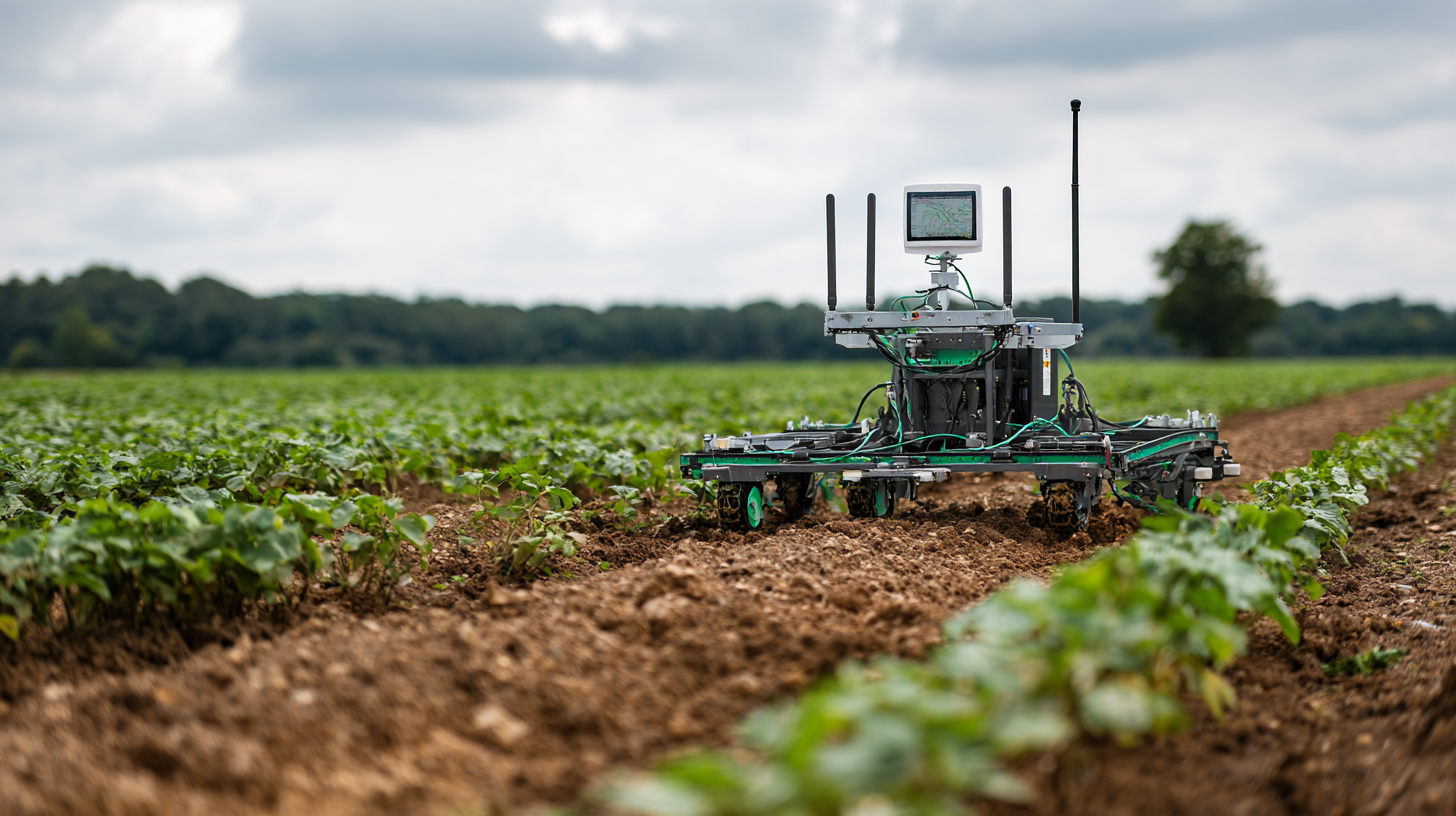 Over in Shanghai, Apekstool (or APEKS for short) is doing some cool stuff—they're a major player in geospatial surveying and mapping. They focus on cutting-edge GNSS and GPS systems, including these high-performance GPS RTK antennas. What's awesome is that farmers can use these antennas to get seriously precise data during their fieldwork, which helps them make smarter decisions that boost productivity and keep things sustainable. As more folks adopt this tech, using GPS RTK antennas is really set to change the game—making farming more efficient and effective than ever before.
In recent years, GPS Real-Time Kinematic (or RTK) technology has really taken the spotlight in the world of precision agriculture. It’s a game-changer when it comes to managing crops — giving farmers super-accurate, centimeter-level data that helps them keep a close eye on their fields. Honestly, with these systems, you're making sure no part of your land goes to waste. I read somewhere that the market for precision agriculture is expected to jump from around $7 billion in 2020 to over $12 billion by 2025, mostly thanks to advances in GPS and other smart tech. Cool, right?
One of the biggest perks of using GPS RTK is how it helps you manage resources like water and fertilizer a lot smarter. Instead of just guessing, you get precise info that lets you cut down on waste and boost your crop yields. For example, there was this study published by the American Society of Agronomy – they found that with precision irrigation, farmers could save up to 30% of water, and at the same time, increase their crop productivity by as much as 20%. Pretty impressive!
**Some tips to get started:**
- Kick things off with a small pilot project to see how GPS RTK actually works on your specific crops and farms.
- Make sure your team gets proper training so everyone knows how to make the most of the fancy features in these systems.
- And don’t forget to keep your tech updated! New software updates can add handy features that make your farming even smarter.
Trust me, once you get the hang of it, GPS RTK could totally transform the way you farm — making things more efficient and, hopefully, more rewarding.
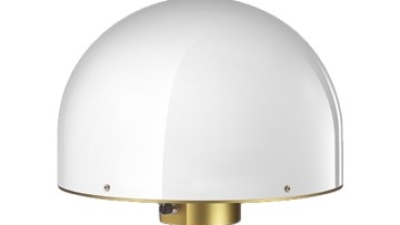
The TCA930 Choke Ring Antenna represents a significant advancement in modern communication systems, particularly in the realm of Global Navigation Satellite Systems (GNSS). With its ability to support all-correlated signals from four GNSS systems—namely GPS, GLONASS, Galileo, and BeiDou—this antenna delivers a robust performance that is essential for precision applications across various industries. According to a recent report by the International GNSS Service, the integration of such multifunctional antennas is crucial for improving positioning accuracy, thereby enhancing user experiences in sectors ranging from agriculture to autonomous vehicle navigation.
One of the standout features of the TCA930 is its high antenna gain, which enhances satellite reception even at low elevation angles. This is particularly beneficial given that many GNSS signals are received at lower angles due to urban canyons or challenging terrain. Furthermore, the stable phase center design ensures sub-millimeter positioning accuracy, a critical factor for applications in surveying and precision agriculture, where even minute errors can lead to substantial economic impacts. Moreover, the TCA930's strong anti-interference capabilities enable it to operate effectively in complex working environments, including those associated with industrial and outdoor settings.
Adding to its appeal is the reliable construction of the TCA930, which boasts a protection rating of up to IP67. This durability makes the antenna a suitable choice for deployment in harsh conditions, ensuring consistent performance over time. In a world increasingly reliant on accurate positioning and communication technologies, the innovative applications and benefits of the TCA930 Choke Ring Antenna position it as a vital component in the future of GNSS-driven solutions.
: GPS Real-Time Kinematic (RTK) technology provides centimeter-level accuracy in positioning, allowing farmers to effectively monitor their fields and optimize their crop management practices.
Key benefits include improved resource management, such as water and fertilizer use, leading to reduced waste and increased crop yields. For example, precision irrigation can cut water usage by up to 30% and boost crop productivity by as much as 20%.
The precision agriculture market is expected to grow from $7 billion in 2020 to over $12 billion by 2025, largely due to advancements in GPS and other agricultural technologies.
It's recommended to start with a pilot program to evaluate the impact, invest in staff training on GPS RTK features, and regularly update technology and software to utilize the latest advancements.
Challenges include signal obstruction in urban areas, ensuring equipment compatibility, and the necessity for real-time corrections to maintain accuracy in positioning.
Farmers can invest in GNSS solutions designed for challenging environments that maintain robust navigation despite signal interruptions, enhancing the effectiveness of GPS RTK systems.
Ensuring that existing machinery can integrate seamlessly with new RTK technologies maximizes the benefits and effectiveness of the precision agriculture systems being implemented.
Farmers should stay informed about the latest innovations and best practices in precision agriculture to adapt and optimize their farming operations for better crop yields.
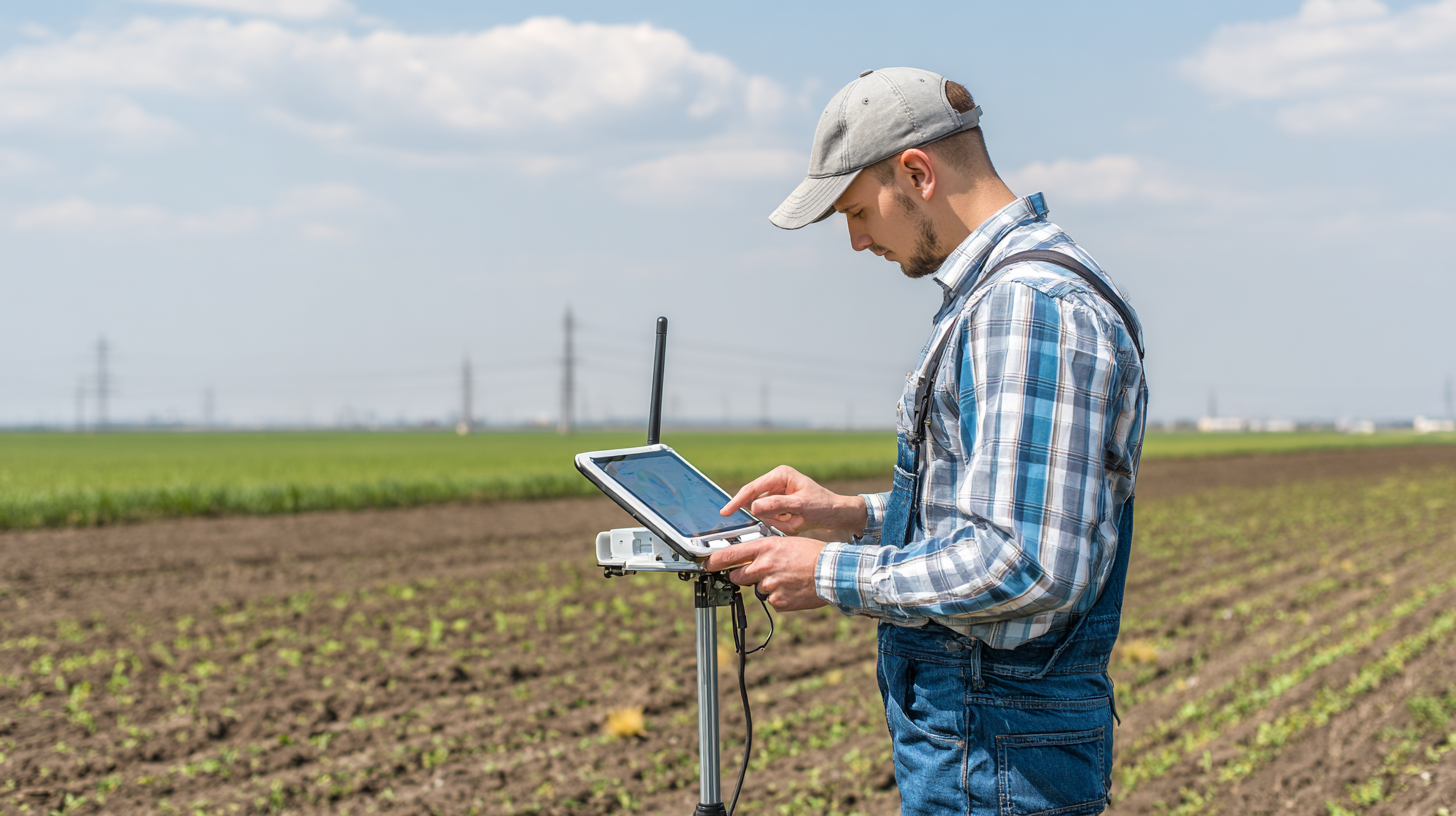
The article titled "Revolutionizing Precision Agriculture with GPS RTK Antennas for Better Crop Monitoring" really highlights how GPS RTK tech is changing the game for farmers. When farmers use these high-precision GPS RTK antennas, they can get incredibly accurate data, which makes managing crops a lot easier and more effective. Having real-time info means they can make quick decisions—think of it as giving them a kind of GPS for their fields—helping boost yields and cut down on waste. Pretty cool, right?
That said, jumping into GPS RTK isn’t all smooth sailing. There are some tricky parts, like the technical stuff and setting up the right infrastructure. The article talks about some ways to tackle these problems, stressing how important proper training and support are during the whole process. Looking ahead, it seems like GPS RTK antennas are going to become even more vital in farming, thanks to ongoing tech advancements and a bigger push towards sustainable practices. And for anyone thinking about getting into this, Shanghai Apekstool (APEKS), a reliable provider of geospatial survey solutions, is in a pretty good spot to help out with the latest GPS RTK systems and antennas.
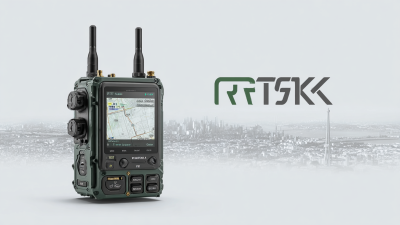
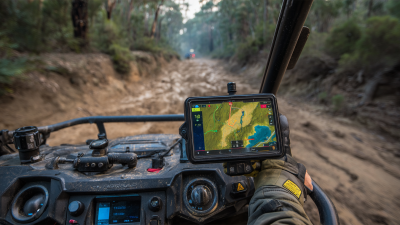


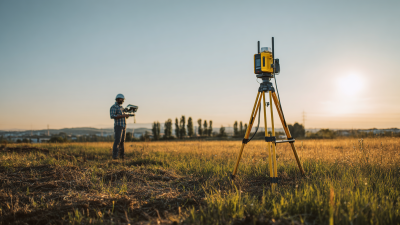
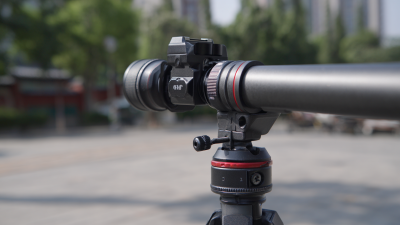



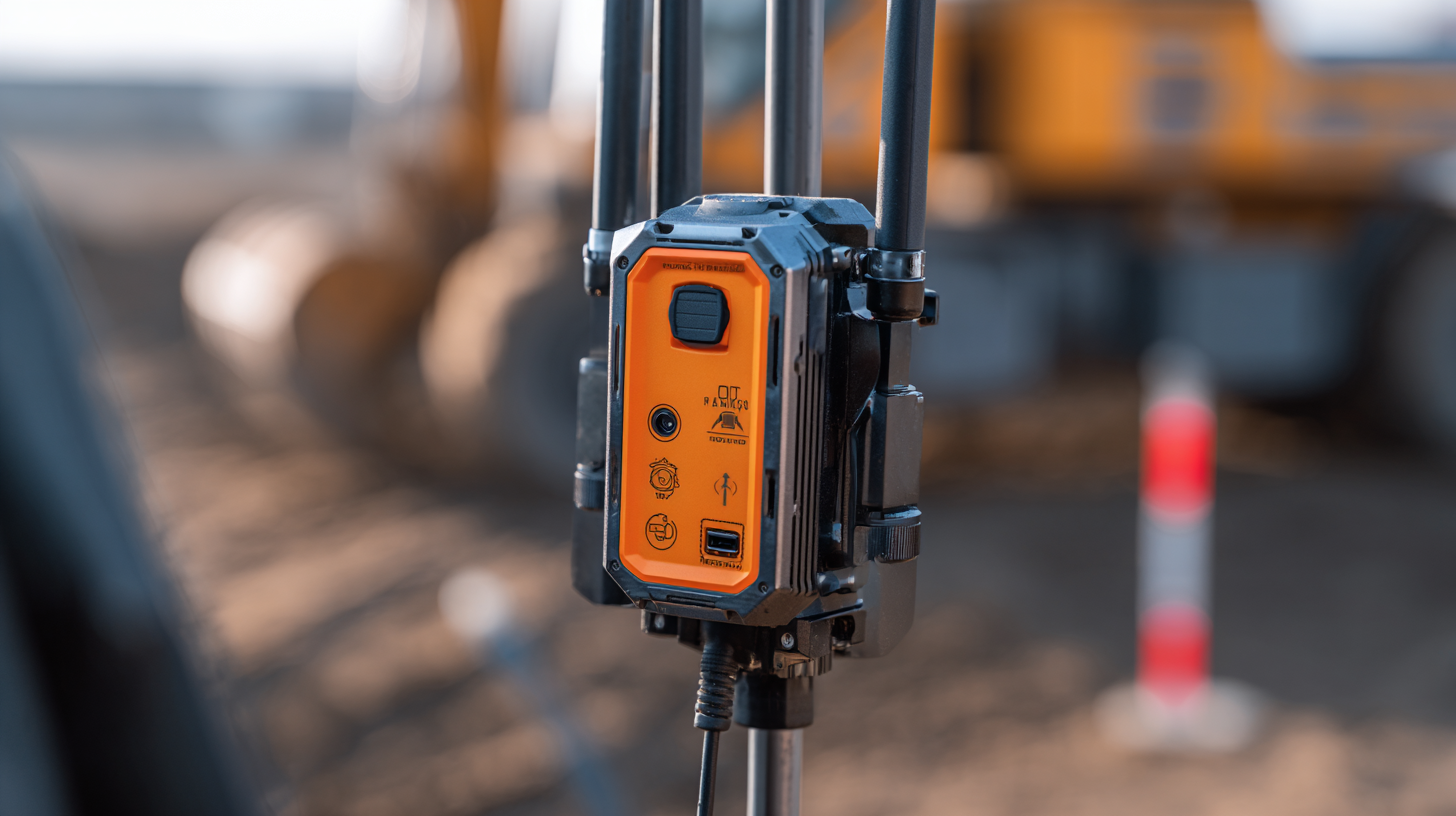 Thankfully, recent tech improvements like combined precise point positioning with real-time kinematic systems (PPP-RTK) are making a huge difference. They give us